Bucharest: Therme București Entry Ticket with Transportation
1.479 reviews
Buy now
From 50,49€ per person
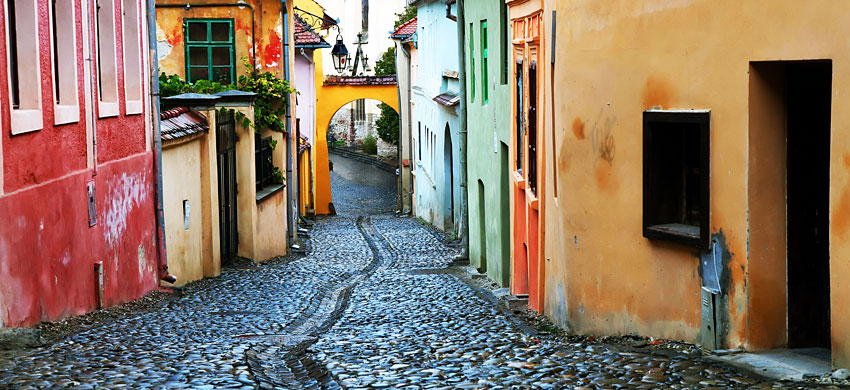
Romania is a wonderful land, rich in culture, history and fascinating monuments. Visit the capital Bucharest, immerse yourself in the magical atmosphere of Transylvania with its castles – Dracula’s Castle and Peleș Castle are absolute must-sees – and its legends, relax on the golden beaches of the Black Sea, Vama Veche for those seeking a more informal vibe and Mamaia for the more discerning, or explore the magnificent Danube Delta.
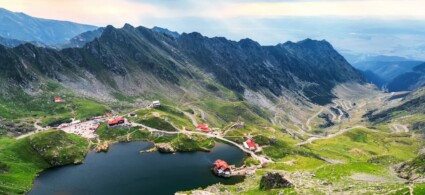
Head to Bucovina and admire its painted monasteries, reach Maramureș with its towering wooden churches, step back in time by visiting the cities of Sighișoara, Sibiu, Brașov and Timișoara, or be captivated by art museums, fortified Saxon churches, the Merry Cemetery or unique vistas along the Transfăgărășan Road, one of the most spectacular routes in the world.
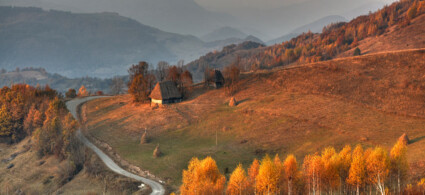
In many corners of Romania time seems to have stood still, and here traditions, customs and rich folklore will enchant you. Romania’s natural heritage, moreover, is equally impressive!
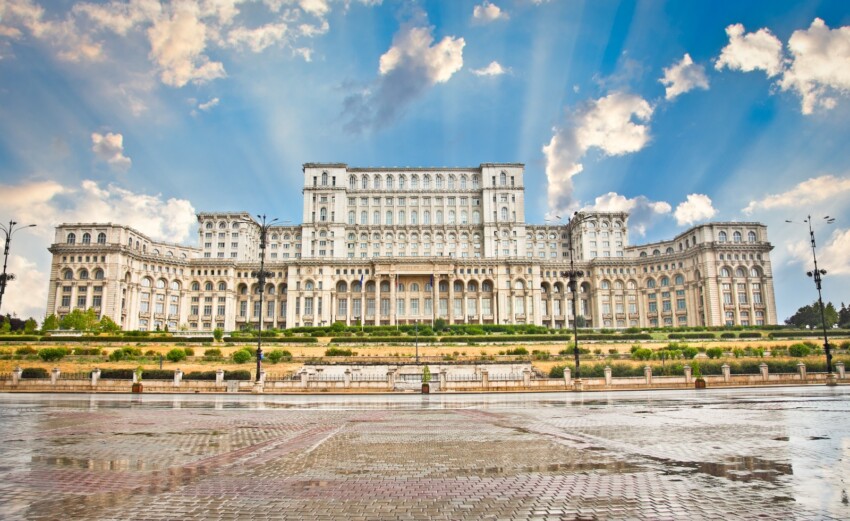
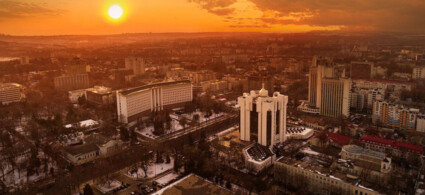
To introduce the top 10 best things to see in Romania, we must start with Bucharest, the country’s capital and principal gateway. An ideal place to acclimatise to Romania from every perspective, Bucharest is a city capable of amazing you from whichever angle you view it.
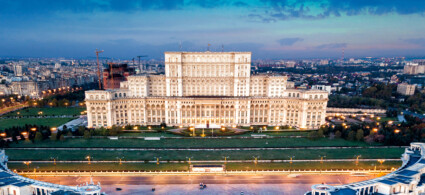
Begin your visit with its undisputed symbol – the Palace of Parliament, which gained notoriety for its sheer monumentality, a result of the dictator Ceaușescu’s grandiose ambitions. Originally known as Casa Poporului (House of the People), it now hosts Romania’s parliament and can be visited on guided tours available in several languages.
Also worth visiting is the Old Town, or what remains of it, centred around the pleasant pedestrian Lipscani Street, brimming with life at all hours. Visit the beautiful University Square, where traditional Christmas markets are set up during the festive season, and the splendid Romanian Athenaeum, a concert hall and one of the most elegant venues in all of Romania.
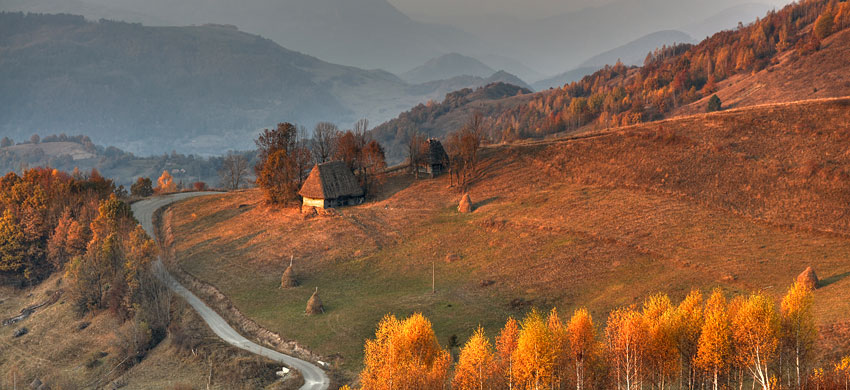
Describing Transylvania in just a few lines is virtually impossible – it truly deserves a holiday all to itself. However, for those with limited time or seeking to see as much as possible, this region will certainly be the highlight of your entire Romanian trip. Transylvania is one of the country’s principal areas where the Carpathian Mountains wind through, and it’s magnificent both from a natural and cultural standpoint, thanks to the presence of numerous medieval villages and castles waiting to be discovered.
The name Transylvania conjures images of vampires and horror stories, largely thanks to Bram Stoker and his Dracula, which became one of the most famous novels of all time. But the region is anything but terrifying: visit the towns of Brașov and Sighișoara, spend time in the pleasant city of Cluj-Napoca, enter the Turda salt mines and stop in Hunedoara, where you can discover the wonderful Corvin Castle.
As if that weren’t enough, you can discover a series of fortified Saxon churches, declared a UNESCO World Heritage Site, located in the villages of Viscri, Calnic, Dârjiu, Hărman, Prejmer and Biertan. You can then venture on hiking trails through the national parks of Retezat and the Apuseni Mountains, spending wonderful days in the great outdoors.
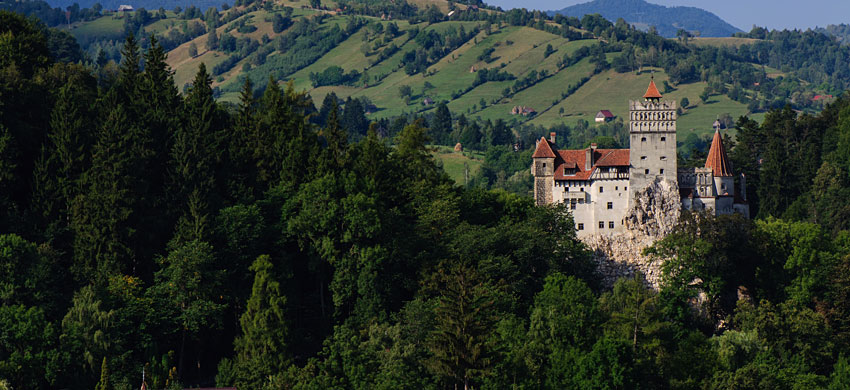
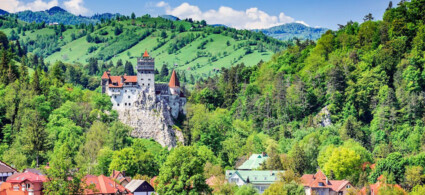
Dracula’s Castle, officially Bran Castle, is one of Romania’s most internationally recognised monuments. It owes its fame to the fact that, according to some, this is where Bram Stoker set his novel Dracula. Inextricably linked to the imposing figure of Vlad the Impaler, Bran Castle is a magnificent fortress located in the village of the same name, perched on a mountainside.
It can be reached in less than half an hour from Brașov, and from a distance its silhouette is a triumph of medieval gothic architecture. It’s open to visitors both outside and in, and whilst the rooms aren’t lavishly decorated, they do give an impression of what court life was like centuries ago.
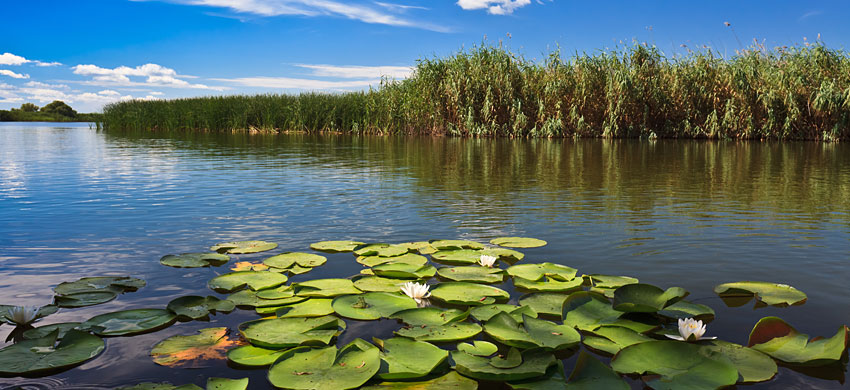
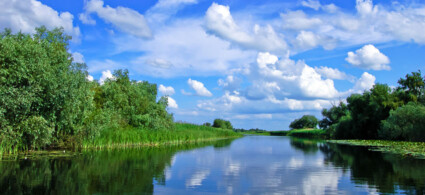
Nature enthusiasts will surely choose the Danube Delta as the focal point of a Romanian itinerary. After flowing through Regensburg, Vienna, Bratislava, Budapest and Belgrade, among others, the Danube enters Romania and flows into the Black Sea, where it creates its delta – an almost perfect riverine ecosystem where thousands of plants, birds and animals coexist in harmony.
Declared a UNESCO World Heritage Site, the Danube Delta is a protected area that allows for outdoor activities such as birdwatching, walks and canoeing expeditions. To visit the Danube Delta, head to the town of Tulcea, approximately 175 kilometres east of Bucharest. Here you can join a boat trip and enter this vast wetland area that winds along three channels: Sulina, Sfântu Gheorghe and Chilia.
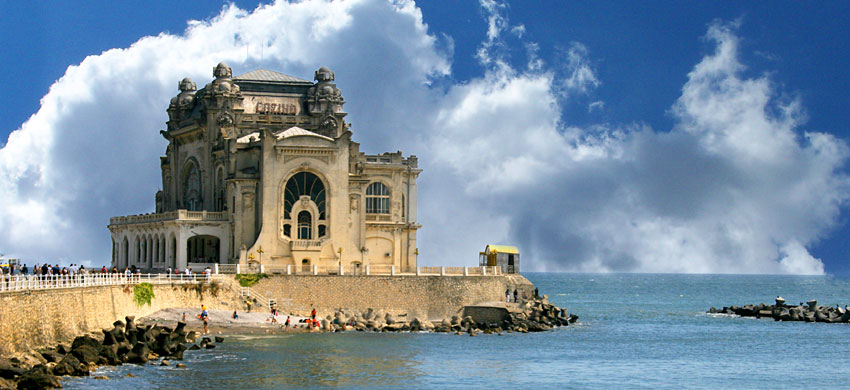
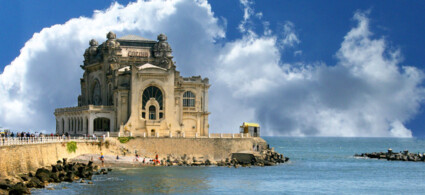
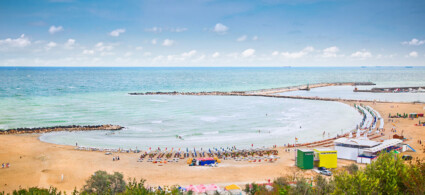
For seaside lovers, Constanța and its surroundings represent the perfect destination to unwind for a few days after an action-packed road trip through Romania. This important Black Sea port has everything you need for carefree days: a lovely waterfront, several beaches, a vibrant nightlife and a range of interesting monuments. Constanța is the heart of Romania’s coast, and from here you’ll be able to head north or south to visit other interesting locations.
Such as Mamaia, built on a narrow strip of land just over 8 kilometres long, which in a few years has reinvented itself to become a highly popular beach resort, especially amongst those who love late nights: bars, restaurants, nightclubs, clubs and entertainment venues of every kind, not to mention beach parties, after parties and more.
For those seeking a more intimate atmosphere, we recommend the exclusive town of Mangalia, slightly further south, and its satellite towns named after Greek and Roman gods: Neptun, Saturn, Jupiter and Olymp. Also worth visiting is Eforie, situated between Mangalia and Constanța, with its long sandy beach, and the alternative village of Vama Veche, a haven for hippies and bohemians characterised by a distinctly informal atmosphere.
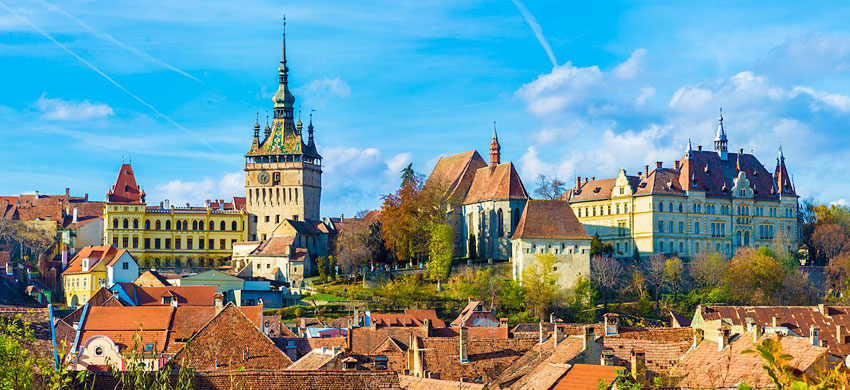
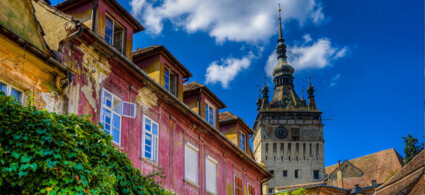
Sighișoara is a Transylvanian town located roughly midway between Brașov and Cluj-Napoca. It’s a medieval jewel, declared a UNESCO World Heritage Site, thanks to its splendid towers, bastions and beautiful citadel.
It’s here that Vlad the Impaler was born, who inspired Bram Stoker when writing his novel Dracula, and it’s also here that the Medieval Festival takes place every year at the end of July – one of the best opportunities to relive the city’s past.
When visiting Sighișoara, you’ll not want to miss the beautiful Clock Tower, dating from the late 1600s, which houses the city’s history museum inside. For those fascinated by Dracula and his legend, it’s also possible to visit the Vlad the Impaler House Museum, which has a restaurant on the ground floor and the actual museum on the first floor.
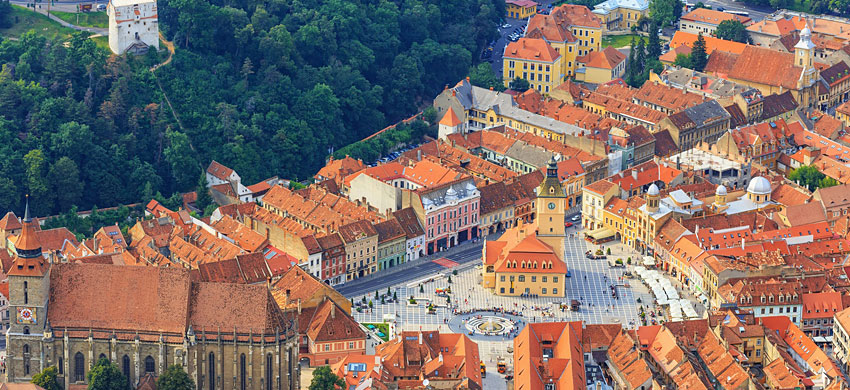
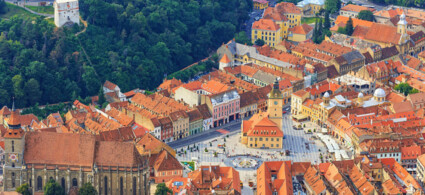
Brașov is the main tourist destination in Transylvania. It’s not the largest city, but it’s certainly the most visited. Located about 170 kilometres north of Bucharest, its history dates back to 1211, when it was founded by Teutonic Knights.
Its completely pedestrianised Old Town is a succession of narrow streets converging at Piața Sfatului, or Town Hall Square, overlooked by wonderful pastel-coloured houses and Brașov’s symbol – the Biserica Neagră, or Black Church, one of Romania’s most famous gothic churches.
Brașov is a fortified city, but if you’re looking for another fortress to visit, head without hesitation to Râșnov, not far away – a refuge town that today is one of Romania’s best-preserved fortified complexes.
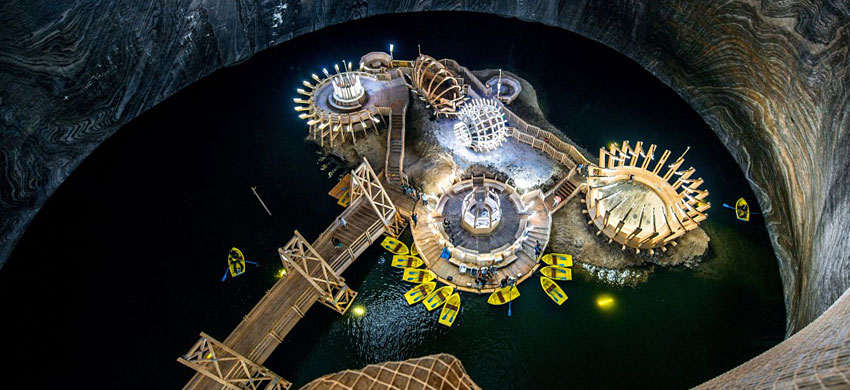
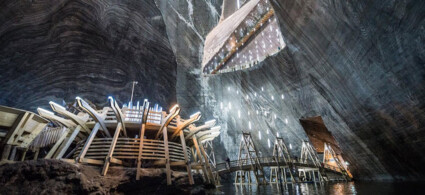
The Turda Salt Mine is a truly unique attraction in Romania. After visiting castles, medieval villages, cities and mountain villages, why not dedicate a day to exploring a salt mine? It’s located in Transylvania, in the town of Turda, not far from Cluj-Napoca, and was restructured in 2010 to allow tourists to discover a completely new world.
Inside the mine, accessed through the visitor centre, there are 4 galleries. Walking through them, you’ll be able to visit genuine salt caves, as well as a series of medieval machinery on display, which illustrates how salt was extracted centuries ago.
Adjacent to the mine is a modern wellness and relaxation centre dedicated to personal care, featuring a large heated swimming pool, a massage area, an amphitheatre with 180 seats and even a panoramic wheel.
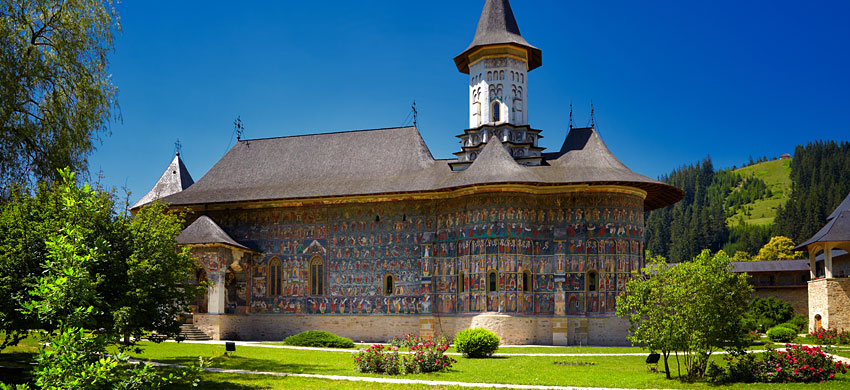
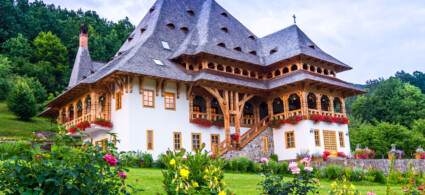
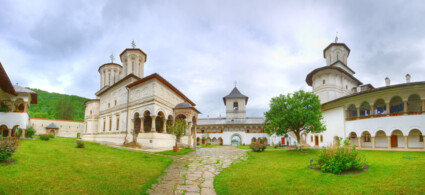
In north-eastern Romania, in the region of Bucovina, you’ll find some truly remarkable monasteries. These are the so-called painted monasteries, inscribed by UNESCO on the World Heritage list, with frescoes dating from the 15th and 16th centuries.
The most famous and beautiful painted monasteries to visit are those of Moldovița, Suceviţa and Voroneț, the latter known as the Eastern Sistine Chapel. The scenes depicted on the monastery walls represent Biblical scenes and the region’s turbulent past, featuring kings, princes and scenes of warfare and hunting; they’re worth visiting simply to admire the beauty of the surrounding landscape and the interesting natural setting in which they’re situated.
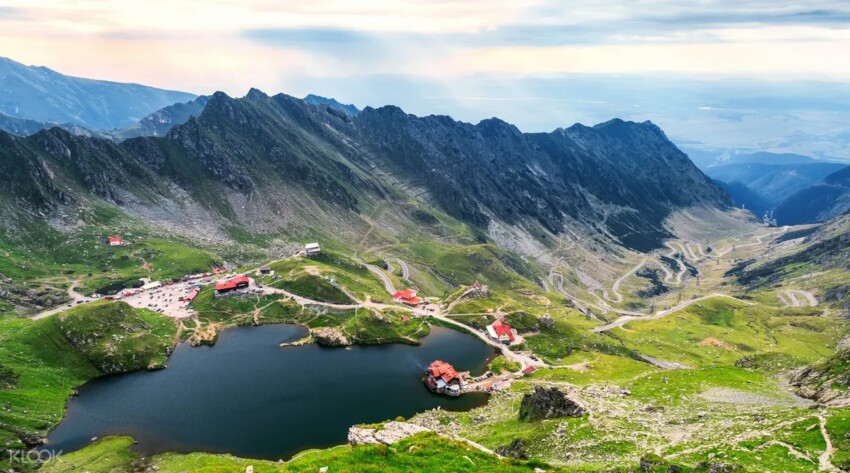
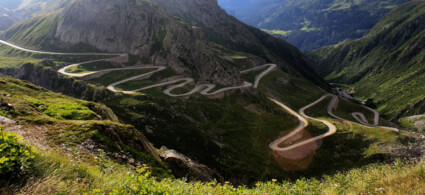
We close out the top 10 best things to see in Romania with the Transfăgărășan Road, built at the behest of dictator Ceaușescu in the early 1970s, which crosses the Carpathians from Băscov, near Pitești, to Cârtișoara over more than 150 kilometres of breathtaking scenery, valleys, snow-capped peaks and an incredible succession of hairpin bends, making it an absolute must for motorcycle and car enthusiasts.
Whether you’re a fearless cyclist undaunted by vertiginous climbs, an experienced motorcyclist or a car lover, driving the Transfăgărășan will take your breath away. However, be warned: given the high altitudes it reaches, the road is only open from April to October, so plan your trip carefully.
 Hotel
Hotel  Budget accommodations
  Apartments
  Family Hotel
  Luxury Hotel