Bestseller
Bucharest: Dracula's Castle, Peleș Castle & Brașov Day Trip
From 31,00 €
Buy the ticket
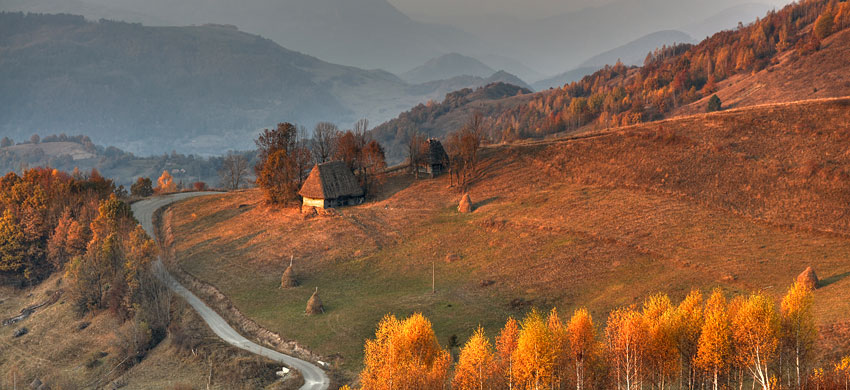
Transylvania is a region of rare beauty nestled at the foot of the Carpathian Mountains, shrouded in mystery and characterised by stunning natural landscapes and some of Europe’s best-preserved medieval towns, such as Brașov. Throughout its history, Transylvania has been inhabited by Hungarians, Germans and Jews, who have left behind a rich architectural, cultural and gastronomic legacy.
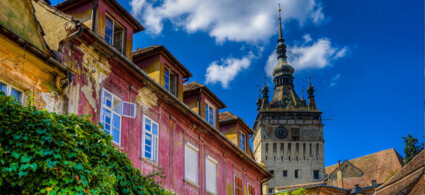
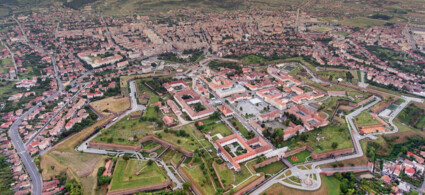
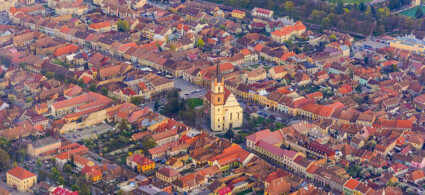
Since the 13th century, Saxon settlers fortified their cities, known as Siebenburgen: alongside Brașov, Romania’s second-largest city, there are Sibiu, Sighișoara, Cluj-Napoca, Bistrița, Sebeș and Mediaș. For centuries, the walls, towers and fortified churches of these towns protected inhabitants from Ottoman invasions.
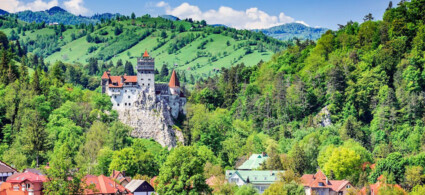
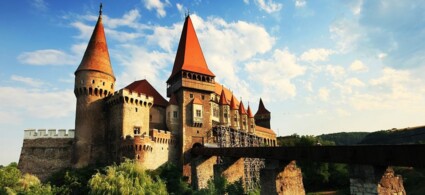
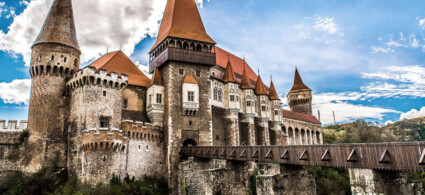
Among the many medieval castles hidden within Transylvania’s mountains and forests, the most famous is undoubtedly Dracula’s Castle, mysterious and enchanting thanks to its Gothic architecture, towering turrets and white walls, built in the 15th century in a commanding position above the village of Bran. Equally impressive are Corvinești Castle near Hunedoara and Rasnov Fortress, constructed in 1300 by the Teutonic Knights.
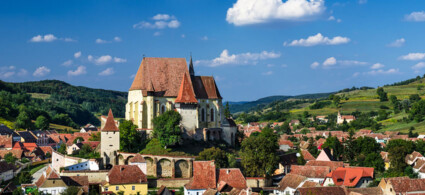
Transylvania is also home to the charming villages of Viscri, Calnic, Dârjiu, Hărman, Prejmer and Biertan, featuring Saxon fortified churches designated as UNESCO World Heritage sites.
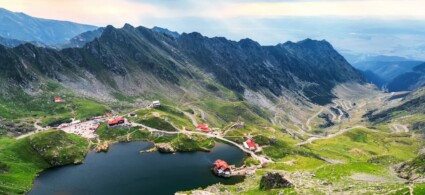
For nature lovers and hikers, Retezat National Park, on the border between Transylvania and Oltenia, and the Apuseni Mountains Nature Park offer excellent opportunities to observe protected wildlife and experience unique natural environments. Don’t miss Scărișoara Cave, home to the continent’s largest subterranean glacier.
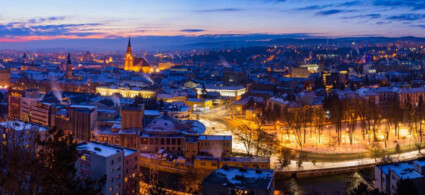
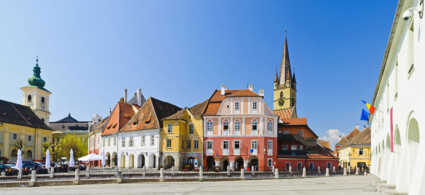
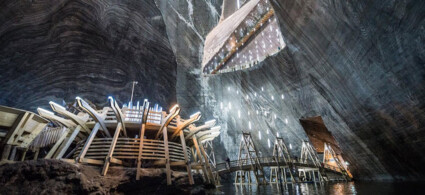
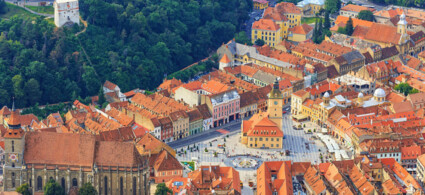
Once part of Transylvania at different points in Romanian history, the regions Banat and Crișana lie in the western part of the country and are among the nation’s wealthiest areas. Crossed by the Mureș River, which separates Crișana to the north—a former Habsburg territory—from Banat to the south, both regions are heavily influenced by German culture and Art Nouveau architecture.
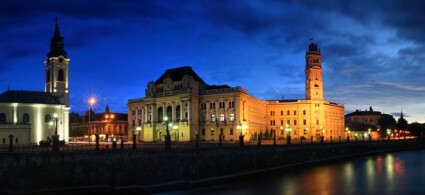
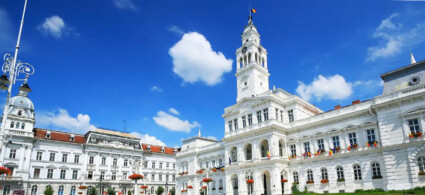
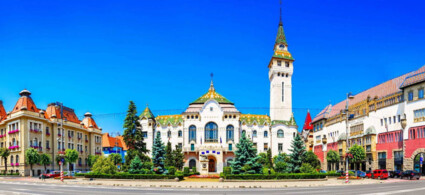
Not to be missed is Timișoara, also known as the garden city or Little Vienna, with its stunning squares, parks and gardens, elegant boutiques, cafés, restaurants and Secession-style architecture; Arad with architecture ranging from Baroque to Neoclassical, plus a Turkish fortress from 1550; and Oradea, one of western Romania’s most picturesque towns, where numerous Secession-style buildings feature richly decorated facades in pale pink, green, blue and white.
To relax at thermal spas and wellness centres, head to Băile Herculane, whilst trekking enthusiasts will find the Bihor Mountains ideal, with their abundance of caves, waterfalls, lakes, canyons and subterranean glaciers.
These regions are home to numerous international businesses and industries.
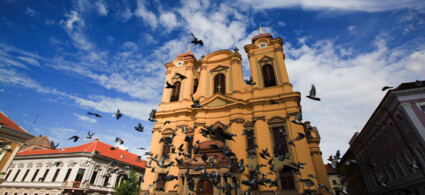
Transylvania is arguably Romania’s most captivating region, rich in monuments and steeped in countless legends: this ten-day itinerary allows you to discover the very best of the region and its surroundings.
Fly into Bucharest Airport, spend a couple of days in the capital and hire a car—essential for this itinerary.
Head to Sinaia, the Pearl of the Carpathians, and visit Peleș Castle, a masterpiece of Renaissance German architecture, and the smaller Pelișor Castle. End the day in Brașov, where you’ll stay for two nights, and explore the town.
On day five, make your way to Bran village, home to Dracula’s Castle, and after lunch travel to Sighișoara, a two-hour drive away, a town designated as a UNESCO World Heritage site. The following morning, visit Biertan village and the ancient Saxon stronghold of Sibiu, 90 kilometres away, where you’ll stay for a couple of nights.
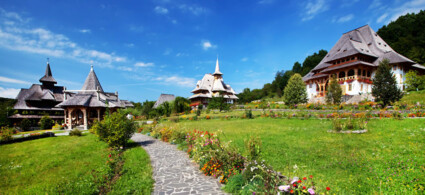
On day eight, venture north to Cluj-Napoca, and the next day reach Baia Mare, an excellent base for exploring the picturesque villages and wooden churches of Maramureș over a couple of days, along with the Merry Cemetery, or continue towards the painted monasteries of Bucovina.
 Hotel
Hotel 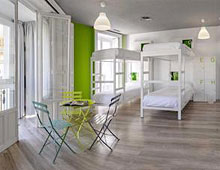 Budget accommodations
 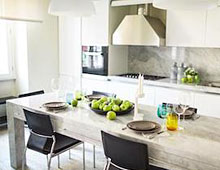 Apartments
 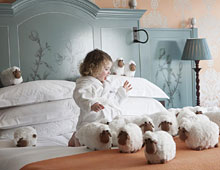 Family Hotel
 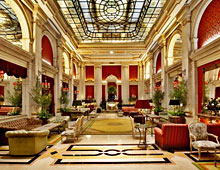 Luxury Hotel