Documents for Travel to Romania: What You Need
Discover which documents you need to enter Romania: from EU identity cards to Schengen regulations, visas and the European health insurance card.

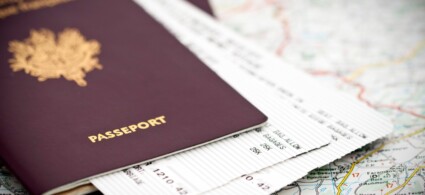
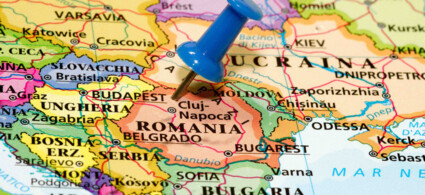
Planning a trip to Romania means preparing yourself to discover a fascinating country where medieval history, pristine nature and authentic traditions blend together in a unique experience: the first thing to check is the entry requirements. As Romania has been an EU member since 2007 and joined the Schengen Area in March 2024, European citizens can enter simply with a valid national identity card or passport. Non-EU travellers should check whether they require a visa depending on their nationality.
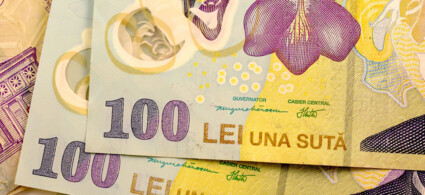
Regarding currency, Romania uses the Romanian leu rather than the euro: you can easily withdraw money from cash machines found everywhere, or exchange currency at exchange offices in the major cities.
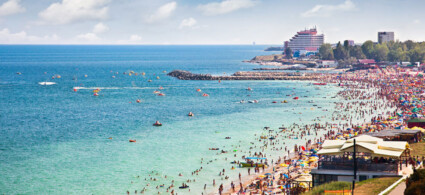
The climate varies considerably across different regions of the country: the southern plains and the Black Sea coast enjoy warm summers and relatively mild winters, whilst the mountainous regions of the Carpathians experience harsh winters with abundant snowfall, ideal for winter sports. The most pleasant months to visit Romania are May, June, September and the first half of October, when you’ll find pleasant temperatures, landscapes in full bloom and fewer crowds compared to the summer peak of July and August.
Getting around Romania is straightforward thanks to a well-developed transport network: trains connect the main cities at economical fares, buses serve smaller towns, and internal flights allow you to quickly reach distant destinations such as Timișoara or Iași. If you’d like to explore regions such as Transylvania, Maramureș or the Black Sea coast at a leisurely pace, consider hiring a car to move around at your own pace.
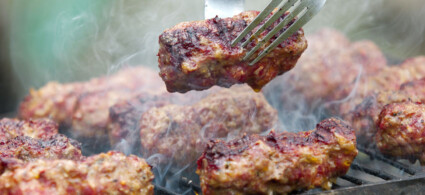
You cannot leave Romania without having tasted its delicious traditional cuisine: from sarmale (cabbage rolls) to mici (grilled sausages), from mămăligă (polenta) to hearty soups such as ciorbă, every meal will be a discovery of authentic flavours. Accompany your dishes with a glass of țuică (plum brandy) or try Romanian wines, which are gaining increasing international recognition. Romanian is the spoken language, but in tourist destinations such as Bucharest, Brașov and Sibiu communicating in English won’t be a problem.
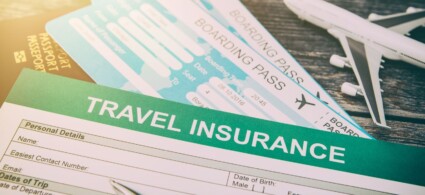
An important advantage is that Romania is part of the European Union: this means your European Health Insurance Card (EHIC) is valid for treatment at public healthcare facilities. However, we still recommend taking out comprehensive travel insurance that also covers private clinics, medical repatriation and other eventualities not covered by the EHIC, giving you greater peace of mind during your stay.
Authentic, boasting great natural beauty, rich in history and steeped in countless legends, Romania has a unique character all of its own.








 Hotel
Hotel 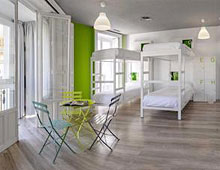 Budget accommodations
  Apartments
  Family Hotel
 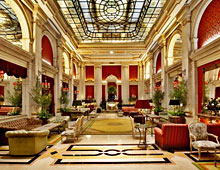 Luxury Hotel