Bucharest
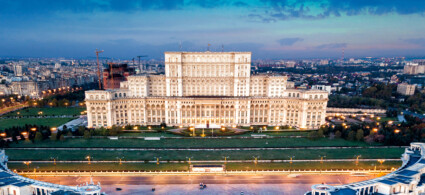
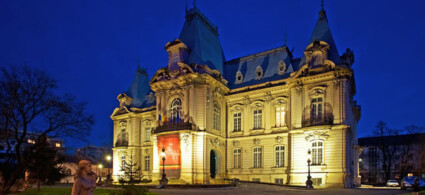
Romania's capital is a modern and dynamic metropolis, with a unique charm and plenty to see amongst palaces, churches, streets and monuments.
The Wallachia Region is located in southern Romania and is one of the nation’s historic regions, also known as the “granary of Europe”. The Danube marks the border with Bulgaria before flowing into the Black Sea in the magnificent Danube Delta.
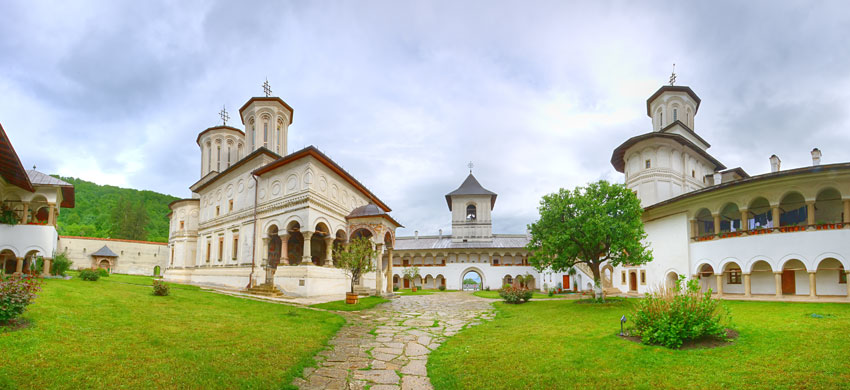
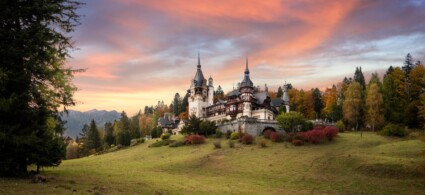
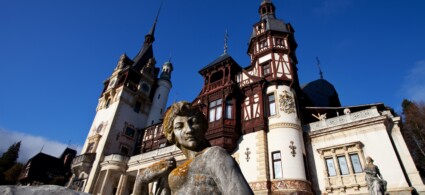
Beyond the beauty of its natural landscapes, Wallachia boasts an extensive historical and architectural heritage, particularly monasteries and churches. Among these are the ancient monasteries of Cozia, Horezu, a UNESCO World Heritage site, Dintr-un Lemn and Tismana, and Peleş Castle and Pelişor Castle.
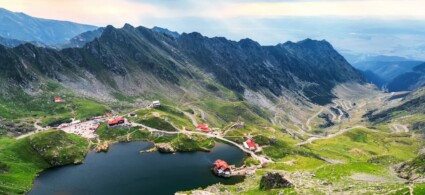
For mountain enthusiasts, Wallachia is home to numerous nature reserves in the Carpathian Mountains, ideal for hiking.
Wallachia is comprised of Oltenia and Muntenia.
In southern Romania lies the Muntenia Region, or Great Wallachia, which, thanks to cereal cultivation on the Bărăgan Plain and oil extracted near Ploieşti, is one of Romania’s wealthiest regions.
The region extends between the Transylvanian Alps and the lower Danube course and is separated from Little Wallachia by the Olt River.
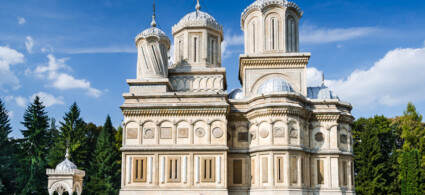
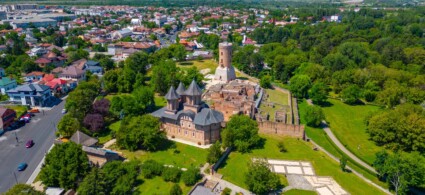
In the central part of Muntenia are the capital, Bucharest, built like Rome on seven hills, vast plains, excellent vineyards producing fine red wine and numerous other tourist sites of great interest such as the Curtea de Argeş monastic complex, considered Romania’s Pantheon, the city of Sinaia and Peleş Castle.
Oltenia, or Little Wallachia, takes its name from the Olt River, one of Romania’s largest rivers, and is a region of great cultural significance, where local traditions remain vibrant and cherished whilst being enriched by those of neighbouring peoples, bordered by the Danube, the Olt and the Transylvanian Alps.
Oltenia boasts very ancient cities, with medieval palaces and museums of considerable historical interest including Craiova, Râmnicu Vâlcea, Drobeta-Turnu Severin, Târgu Jiu and Slatina.
Rich in monasteries, historic buildings, museums and natural beauty, not to be missed are the Horezu Monastery, declared a UNESCO World Heritage site, the Olănești spa, the Peşterea Muierii and Polovragi caves, the Dintr-un Lemn monastery church, built from the trunk of a single tree, and the Trajan Bridge across the Danube. Finally, Oltenia gave birth to Constantin Brancuşi, one of the most celebrated modern sculptors.
 Hotel
Hotel  Budget accommodations
 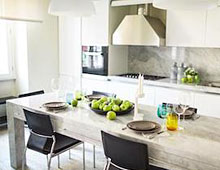 Apartments
  Family Hotel
 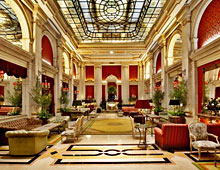 Luxury Hotel